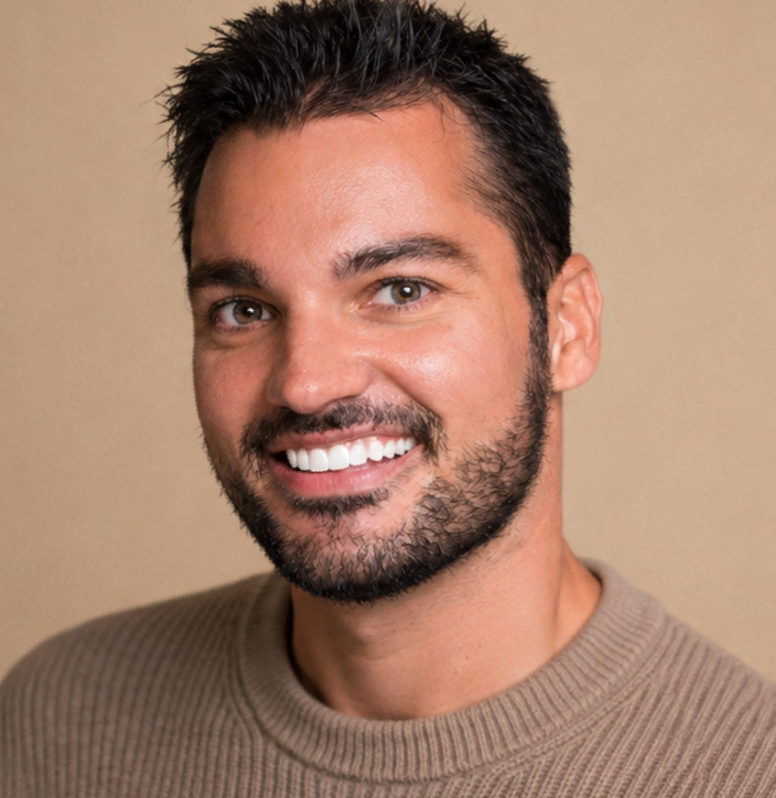
A founder and product designer in the Bay Area, building human-centered AI and mobile experiences with exceptional craft, judgment, and systems thinking.
Every step pulled toward one problem: making powerful, unpredictable technology feel safe and human.
The same three things this team is hiring for. They are how I have worked for years.
I don't wait for requirements. I seek the why behind a system's behavior, then design the mental model people can hold.
With probabilistic systems, how it feels matters as much as what it does. I design for transparency, control, and graceful failure.
I start with the screen, not the doc. A clickable artifact in hours turns debate into direction with product and engineering.
A probabilistic system will surprise people. Trust is not the absence of error, it is how the experience behaves around uncertainty: what it reveals, what it lets you control, and how it recovers. That is a design problem, and it is the one I keep choosing.
Designing the first FAA-approved drone delivery experience, for a behavior people had never performed before. Lead Product Designer, consumer mobile.
Getting a normal person to trust an autonomous aircraft that flies to their house, drops a package, and leaves. Nothing but unknown-unknowns, and it had to read the same way to the customer, the pilot, ops, regulatory, and the FAA, all at once.
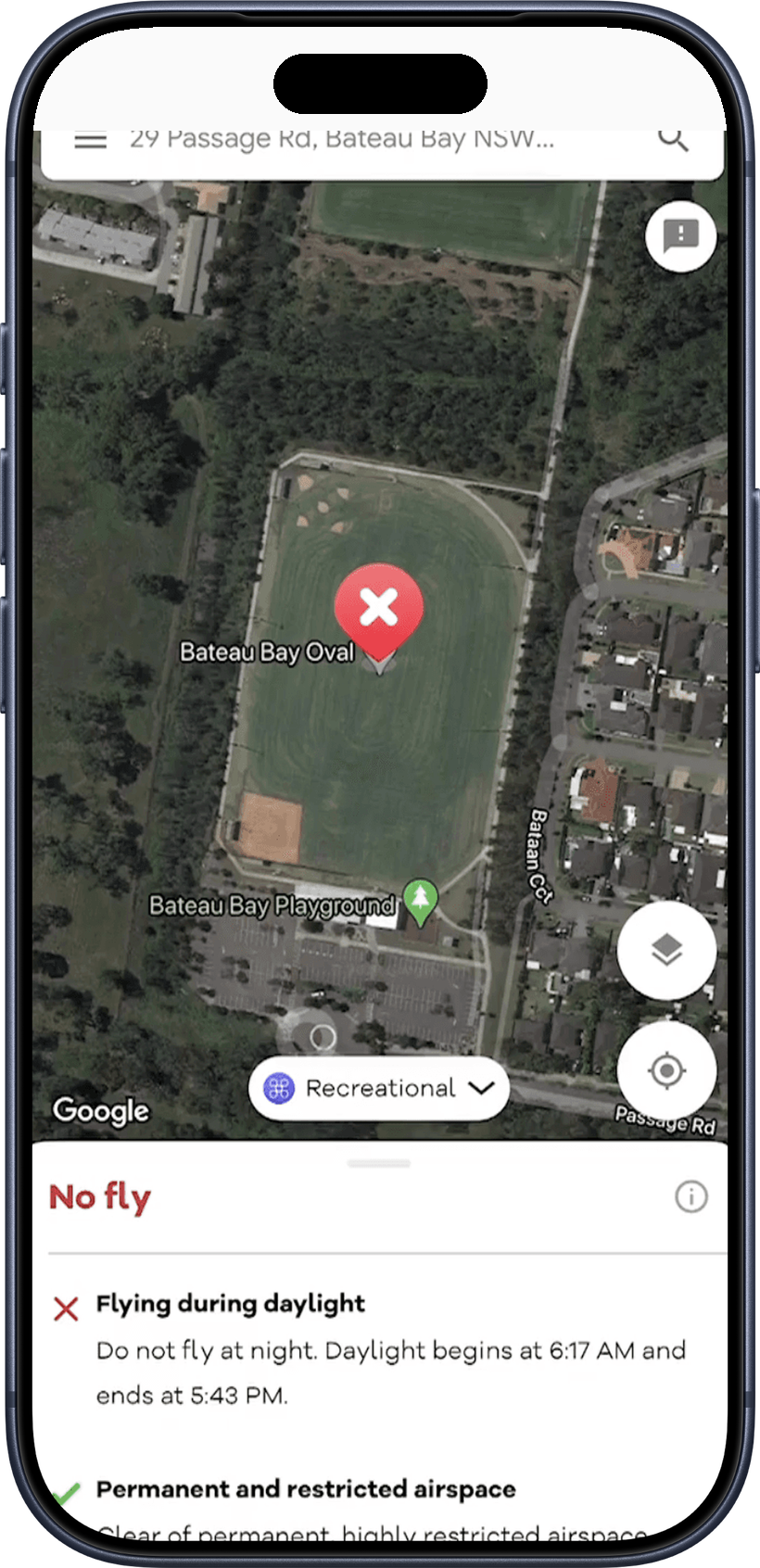
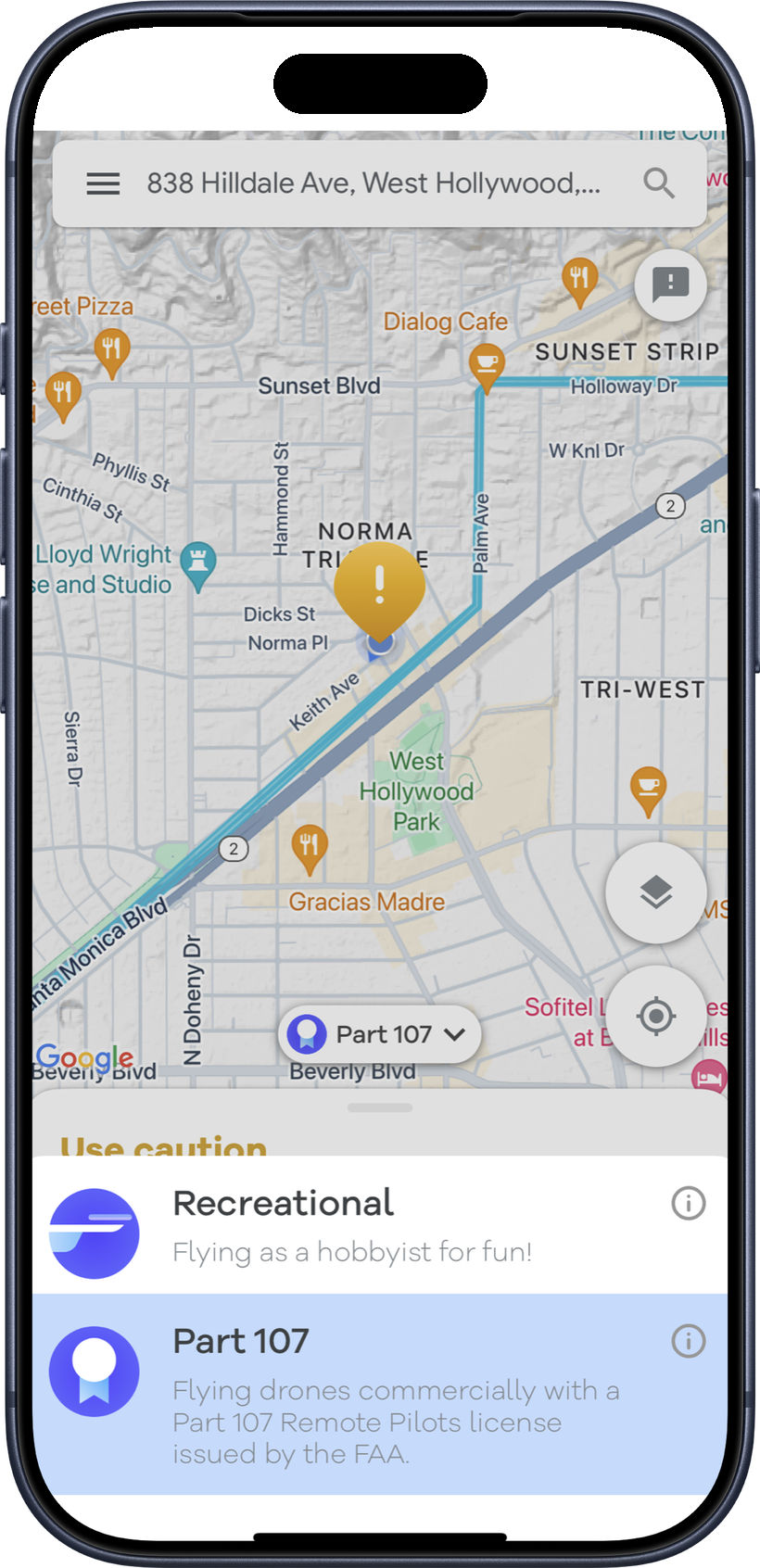
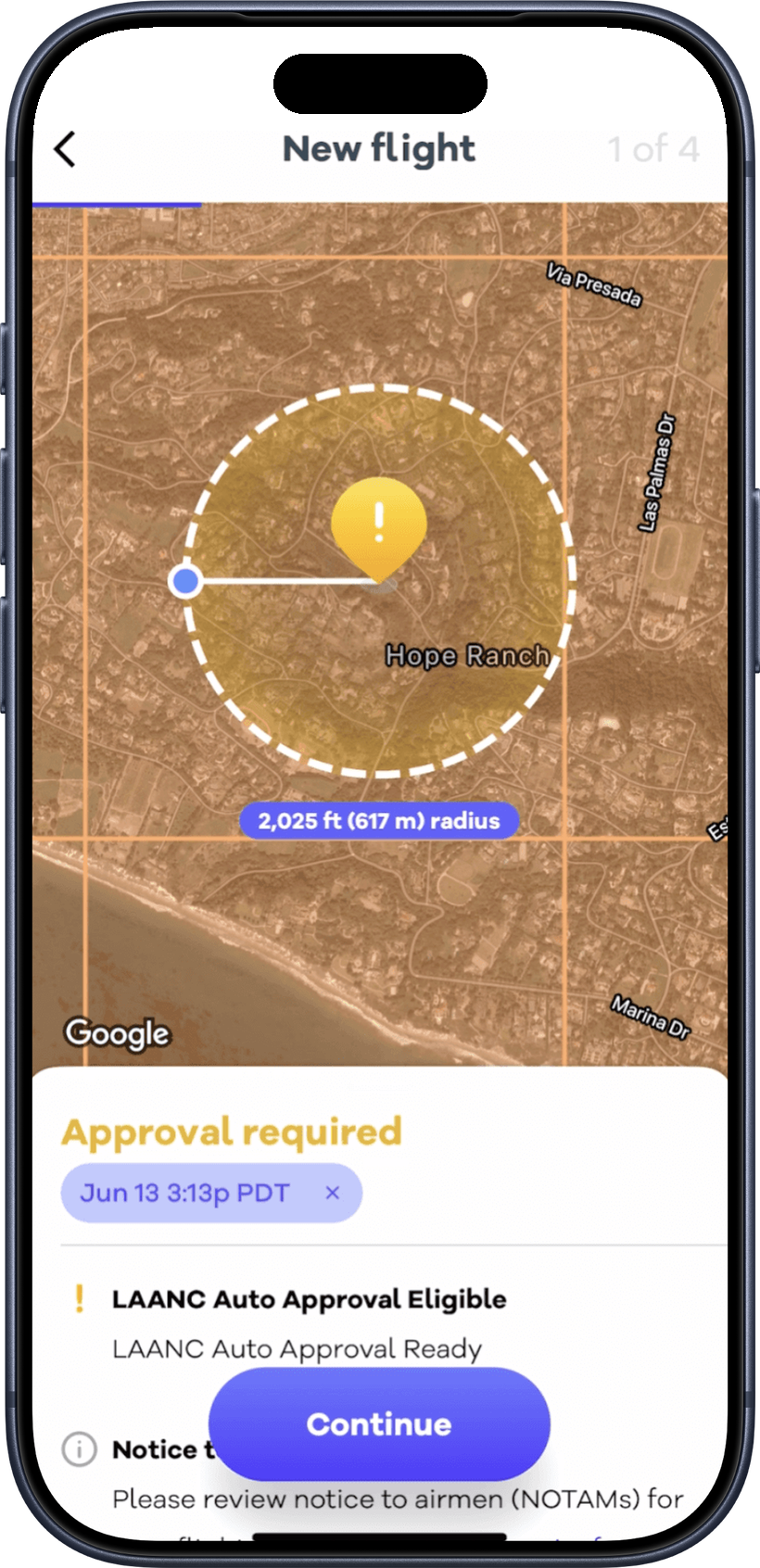
Across PM, mobile engineering, flight operations, hardware, and regulatory, I led three things end to end.
There is a narrow band of "just enough," and we found it by watching people, not guessing. We showed position, altitude band, and descent, and nothing that read as surveillance. Confidence is a dial you tune, not a number you dump on someone.
People read any abort as "the drone is broken and might be over my house." So we rewrote every failure in the customer's frame, plain and reassuring, with a refund in the same screen:
"Your order is delayed because of wind. We'll reorder for you."
Sentiment moved from "I'm nervous" to "OK, that makes sense" in one round. The exact muscle AI needs for hallucination and error states.
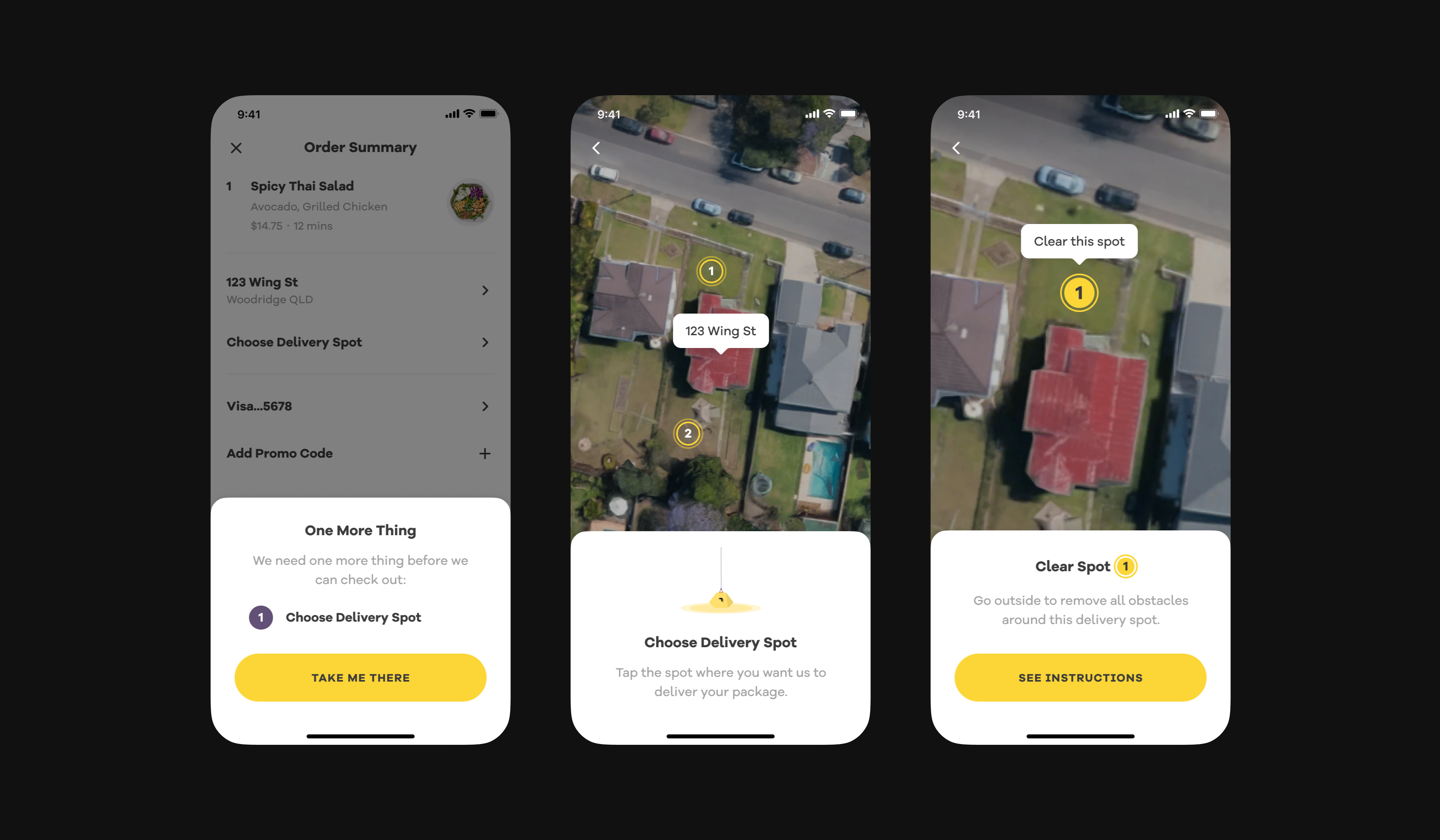
The last fifty feet are where trust is won or lost, so we handed the customer the controls: drop a pin on your own yard, clear the spot, and watch the package come down exactly where you asked.
Control isn't a setting buried in a menu. It's the moment the system asks before it acts.
The FAA had to read what the customer saw. No UI could anthropomorphize the drone. "Your drone" was fine; "she's on her way" was not.
The aircraft couldn't hover indefinitely or wait out wind, so "give us a few minutes" was never an option.
People expected a courier. We had to teach a new metaphor without ever making it feel weird.
Hide the drone and people panic; show too much and they're confused. The whole design lives on that line.
Drone delivery was a strange new thing. But everyone already knows what a courier is: someone who brings your package to the door. So we used that, instead of explaining "autonomous aircraft."
Familiar words make an unpredictable thing feel safe. We saved the wow for the doorstep, where the drone lowering your package did the talking. The same move an AI assistant needs.
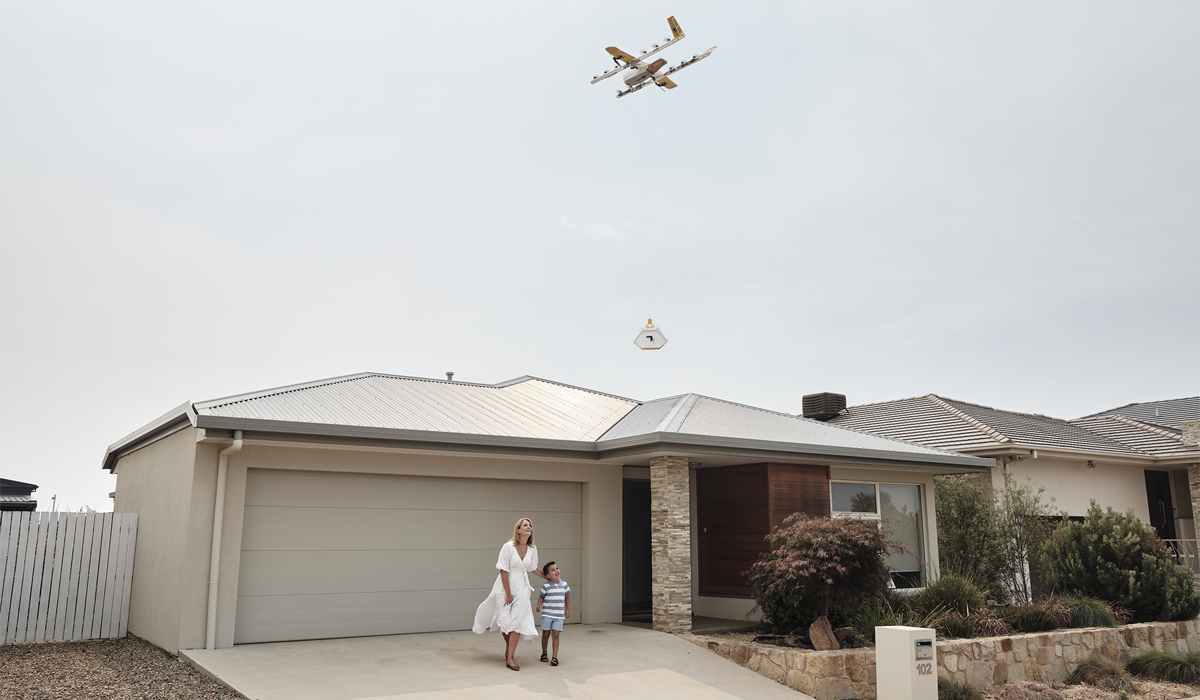

Live deployments serving real food and medications in real neighborhoods. The consumer-trust model became a reference for later Alphabet aerial-delivery work.

As Design Lead on Premium Mobile, I shipped the LinkedIn × Calendly integration: one booking pattern across profile, post, and message that deletes the "what time works?" thread entirely.
A clickable, opinionated artifact in hours that a PM, partner, or exec can steer in the same meeting. The booking integration went concept to prototype in under a day. That rhythm is now how the broader Premium design org moves.
I design the feel of an interface with AI tools like Claude Code, so a transition, a loading state, or a model thinking reads as calm and intentional long before any production code.
Motion is how a probabilistic system shows it heard you.
Founding-era social, autonomous systems, AI health, self-custody finance, wearable couture. The throughline is craft, trust, and making complex things feel simple.
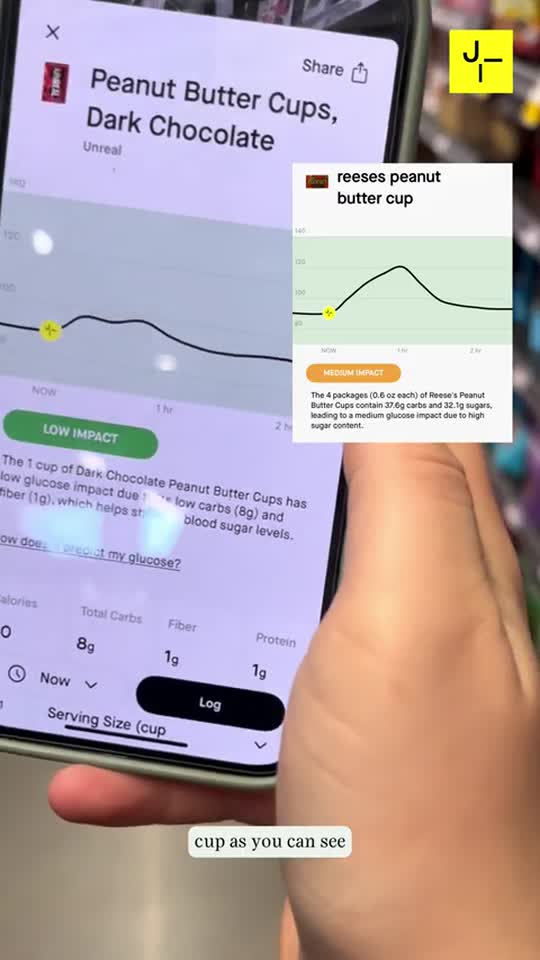
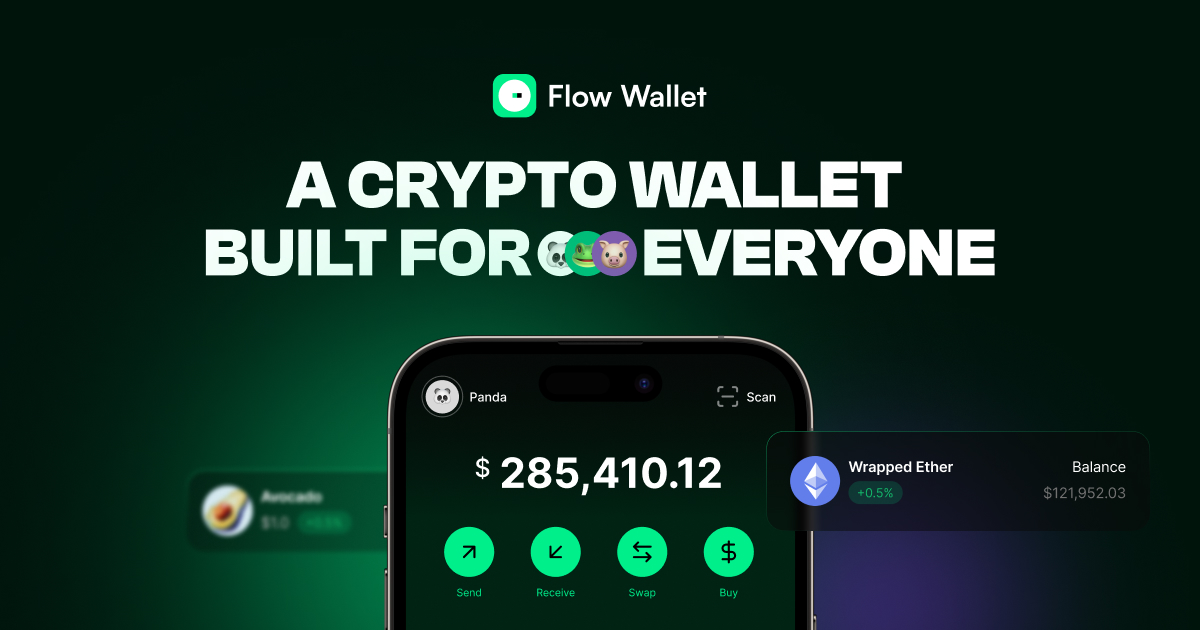
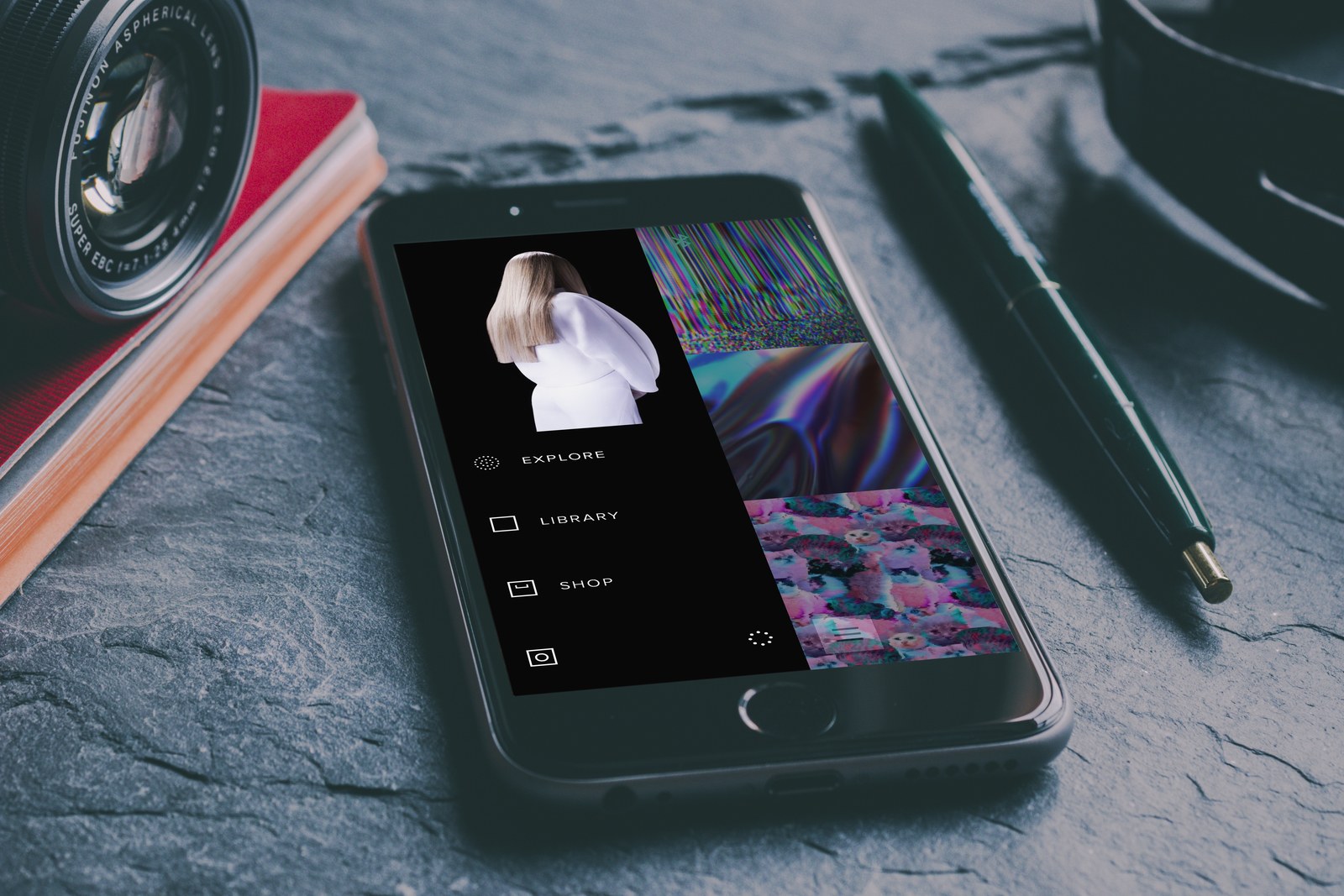
Clarity in the unknown, trust as the product, velocity to prototype. The exact muscle a Gemini assistant needs.
Silicon Valley leaders, on what it's like to work with me.



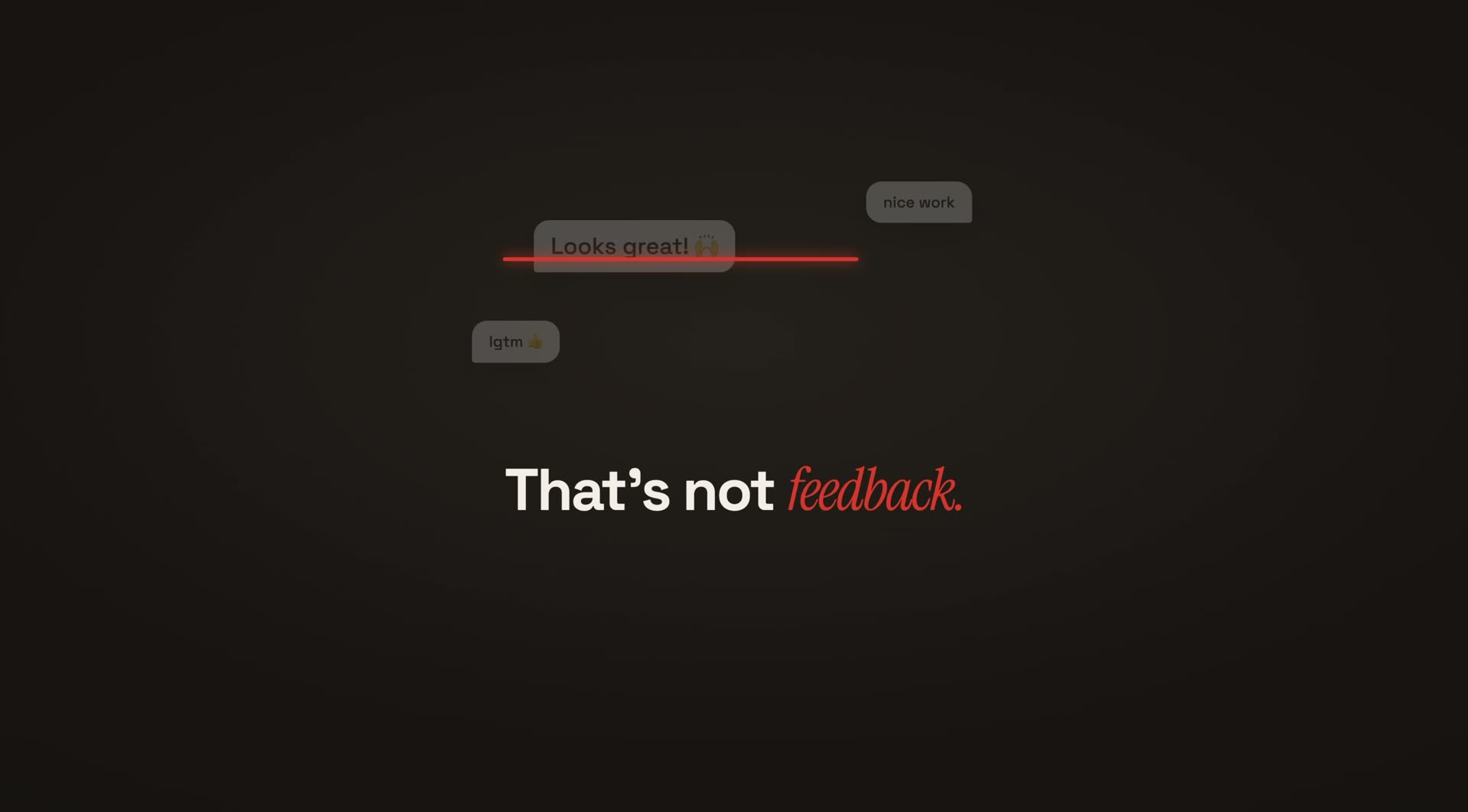
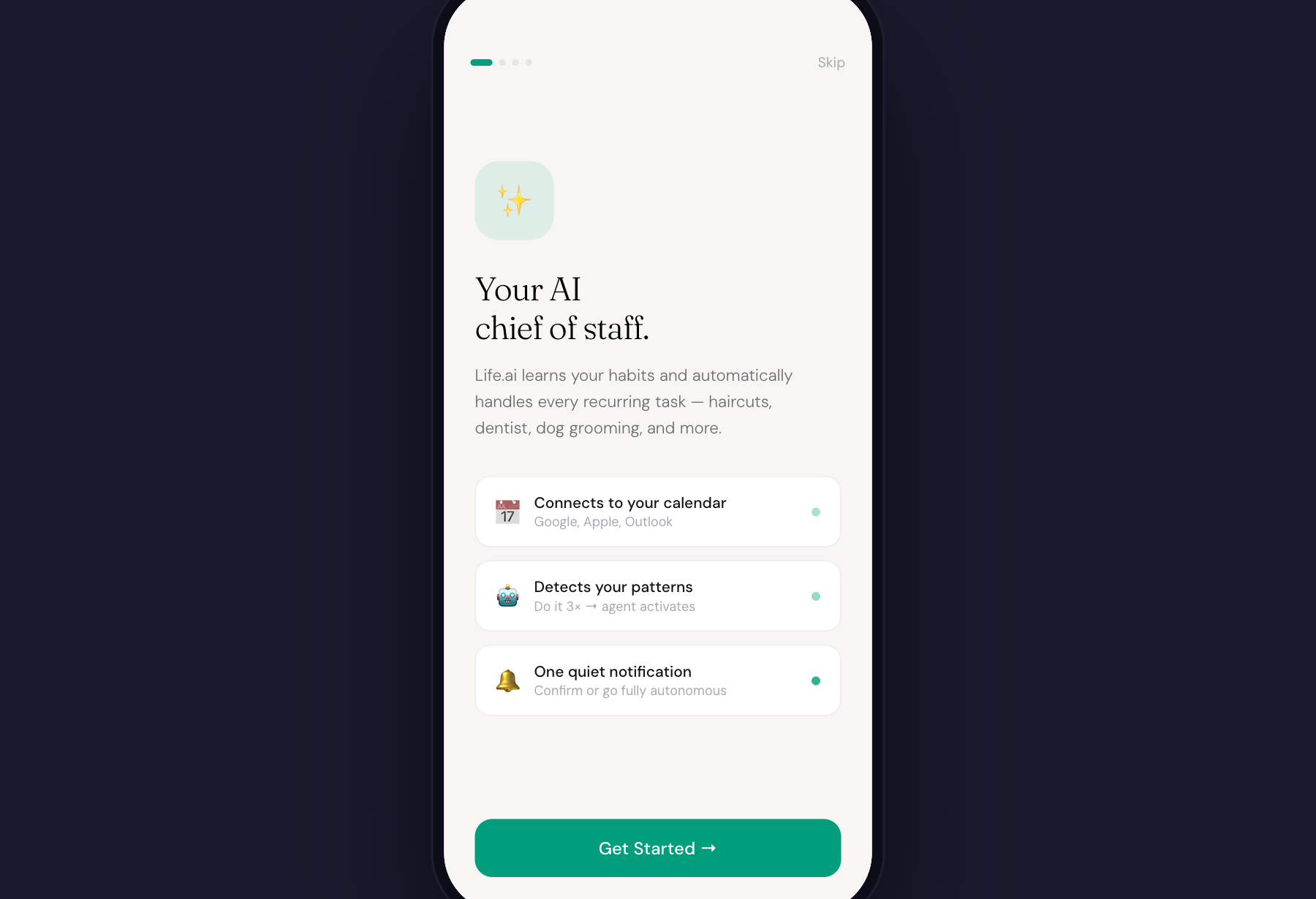
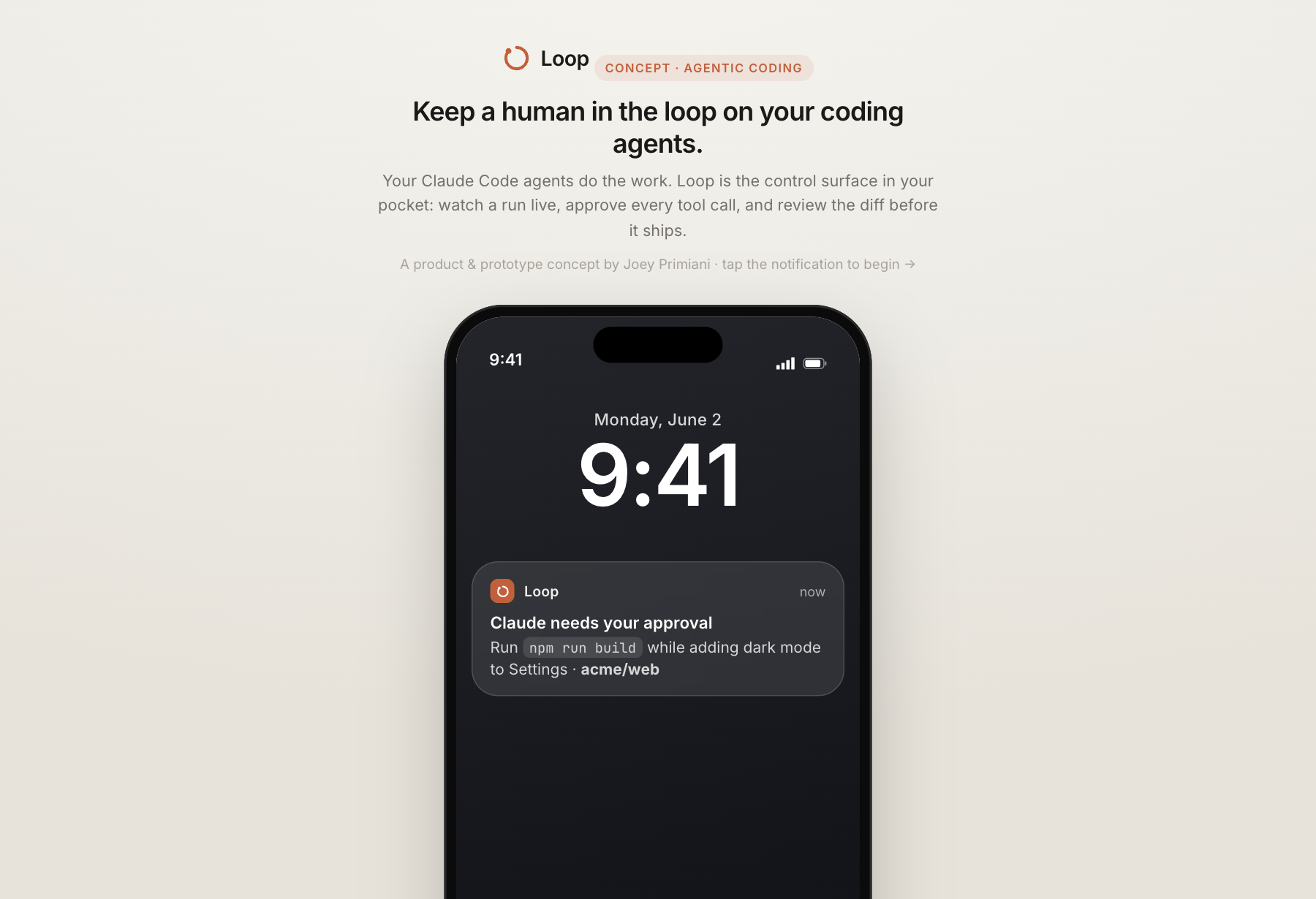
Self-initiated prototypes of how AI should feel: agentic, human-in-the-loop, and calm. All live. Click any one to try it.


›Create me a plan file for an OS-layer Gemini assistant: I swipe up over any app and it has already read the screen, tags what it saw, and stitches one action across Messages, Maps, and Calendar, with an autonomy dial (Suggest, Confirm, Auto) so trust is a visible control. Then interview me in detail using the AskUserQuestion tool about literally anything: technical implementation, UI and UX, concerns, tradeoffs, whatever you need.Create me a plan file for an OS-layer Gemini assistant: I swipe up over any app and it has already read the screen, tags what it saw, and stitches one action across Messages, Maps, and Calendar, with an autonomy dial (Suggest, Confirm, Auto) so trust is a visible control. Then interview me in detail using the AskUserQuestion tool about literally anything: technical implementation, UI and UX, concerns, tradeoffs, whatever you need.
Interviewed me: scope, privacy stance, autonomy defaults, failure states
Wrote PLAN.md, one bet: ambient context awareness
Built index.html and deployed to gemini-os-2zu.pages.dev
The core bet: ambient context awareness. Because the assist lives below the apps, it sees your screen and never needs to be briefed.
Control: an autonomy dial makes the tradeoff a designed, on-screen object. Default to Confirm, human in the loop.
Privacy: turn the hardest objection into a feature. Show exactly what it read, keep it ephemeral.