01 / 33
Staff AI Product Designer · Gemini Assistant

Designing AI
people trust.

✦  Prepared for Saba Zaidi  •  Gemini App Design, Google DeepMind
Staff AI Product Designer · Gemini Assistant

Designing AI
people trust.

✦  Prepared for Saba Zaidi  •  Gemini App Design, Google DeepMind
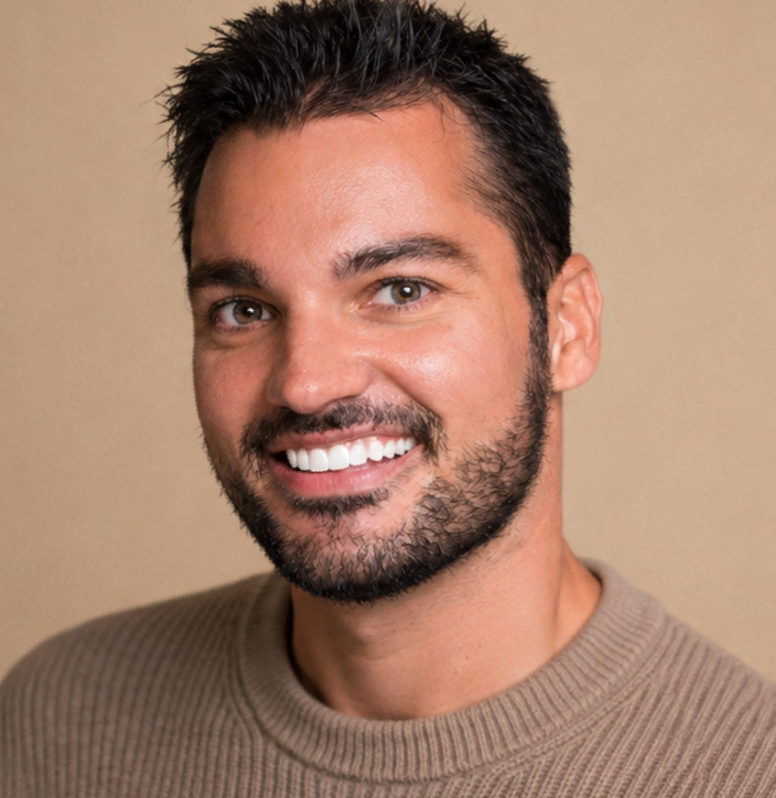
Joey Primiani
Professional narrative

15 years designing products
millions of people love.

A founder and product designer in the Bay Area, building human-centered AI and mobile experiences with exceptional craft, judgment, and systems thinking.

15 years · shipped at scale

Teams I've built with.
Career trajectory

From sharing, to scale,
to autonomous systems.

Every step pulled toward one problem: making powerful, unpredictable technology feel safe and human.

2010
Cortex
Sharing tool, acquired by Backplane
2011
Little Monsters
Co-founded with Lady Gaga
2018
Wing @ Google X
First FAA drone delivery
2024
LinkedIn Premium
Design Lead, 100M+ reached
2024+
AI products
January AI, Ditto, on-device AI
Design philosophy

Three beliefs I design by.

The same three things this team is hiring for. They are how I have worked for years.

01 · Ambiguity

Drive clarity in the unknown

I don't wait for requirements. I seek the why behind a system's behavior, then design the mental model people can hold.

02 · Trust

Trust is the product

With probabilistic systems, how it feels matters as much as what it does. I design for transparency, control, and graceful failure.

03 · Velocity

Prototype to think

I start with the screen, not the doc. A clickable artifact in hours turns debate into direction with product and engineering.

The thesis

You can't QA your way
to trust.

A probabilistic system will surprise people. Trust is not the absence of error, it is how the experience behaves around uncertainty: what it reveals, what it lets you control, and how it recovers. That is a design problem, and it is the one I keep choosing.

Project walkthrough

Wing @ Google X

Designing the first FAA-approved drone delivery experience, for a behavior people had never performed before. Lead Product Designer, consumer mobile.

Pillar 1 · Clarity in ambiguity

No mental model. No precedent for "good."

Getting a normal person to trust an autonomous aircraft that flies to their house, drops a package, and leaves. It had to read the same way to the customer, the pilot, ops, regulatory, and the FAA, all at once.
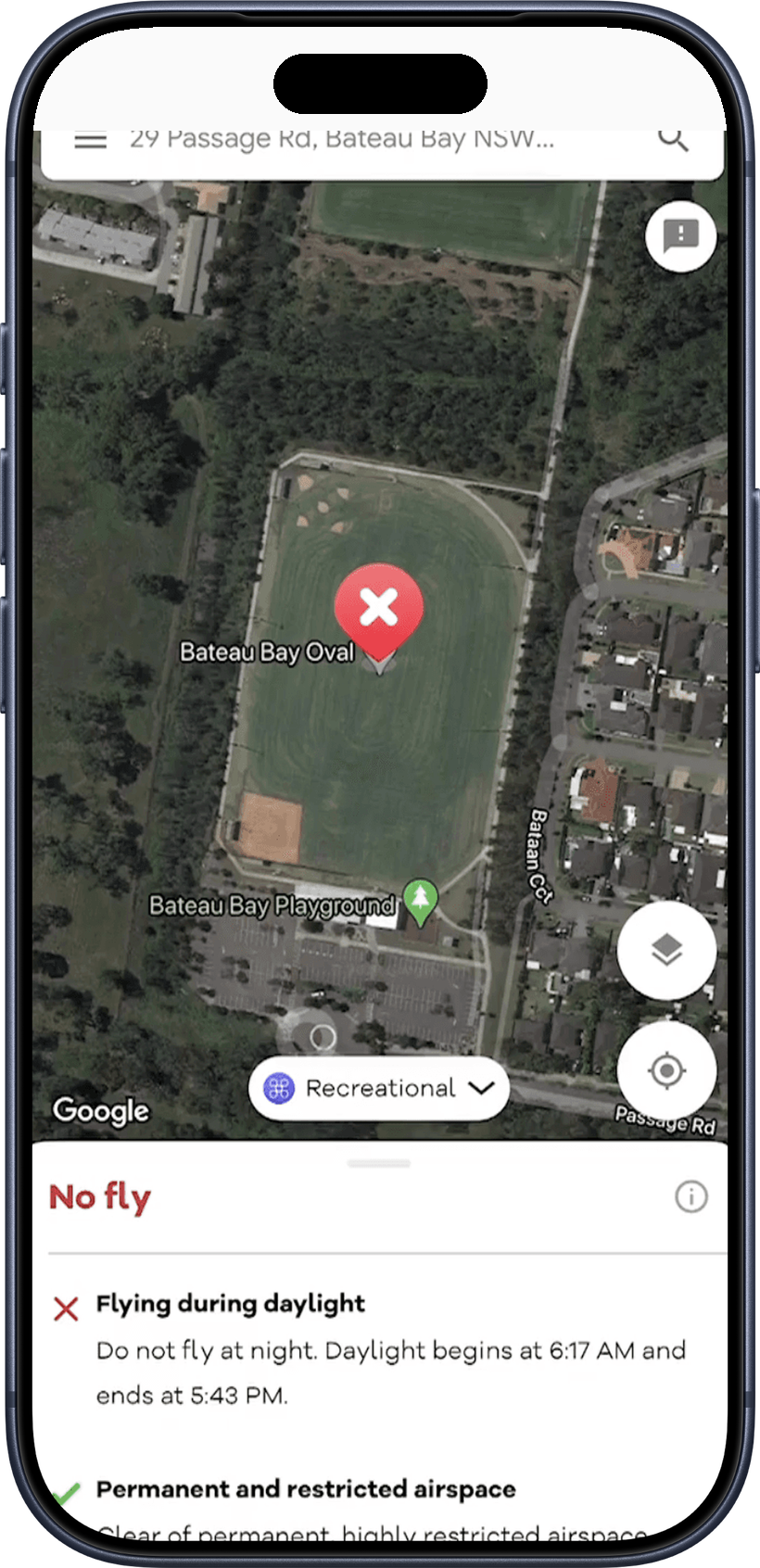
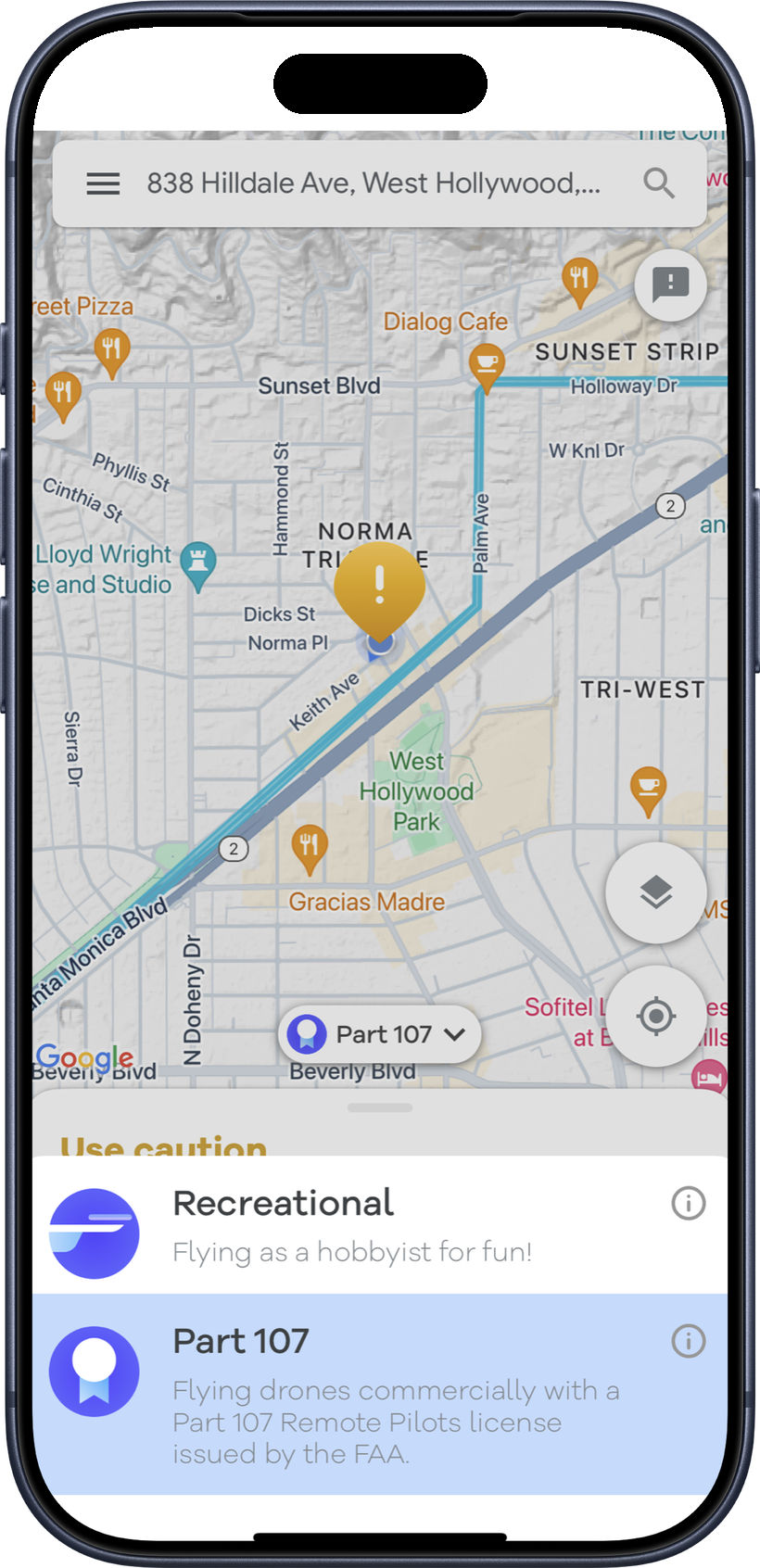
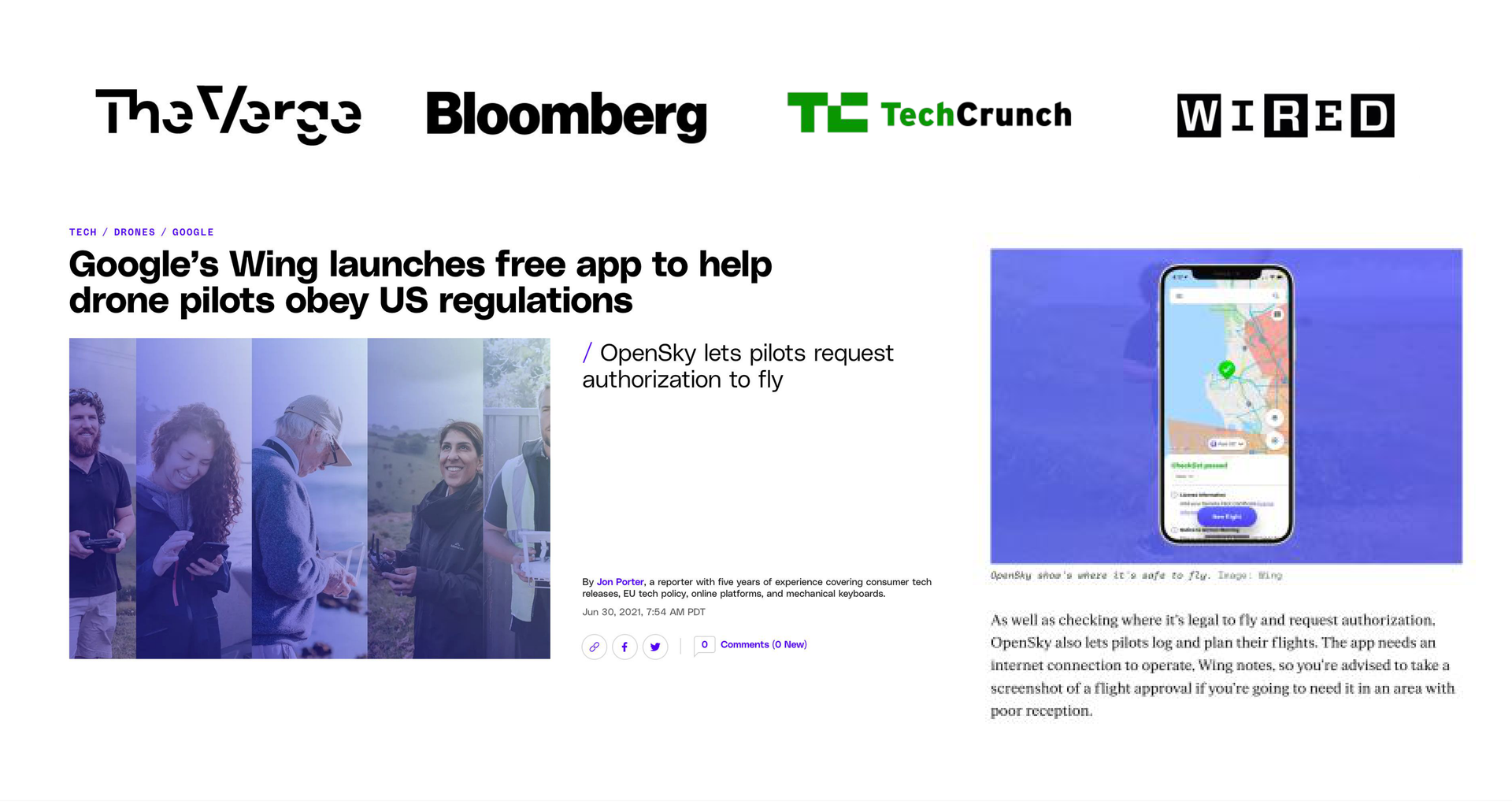
OpenSky no-fly zones
OpenSky airspace
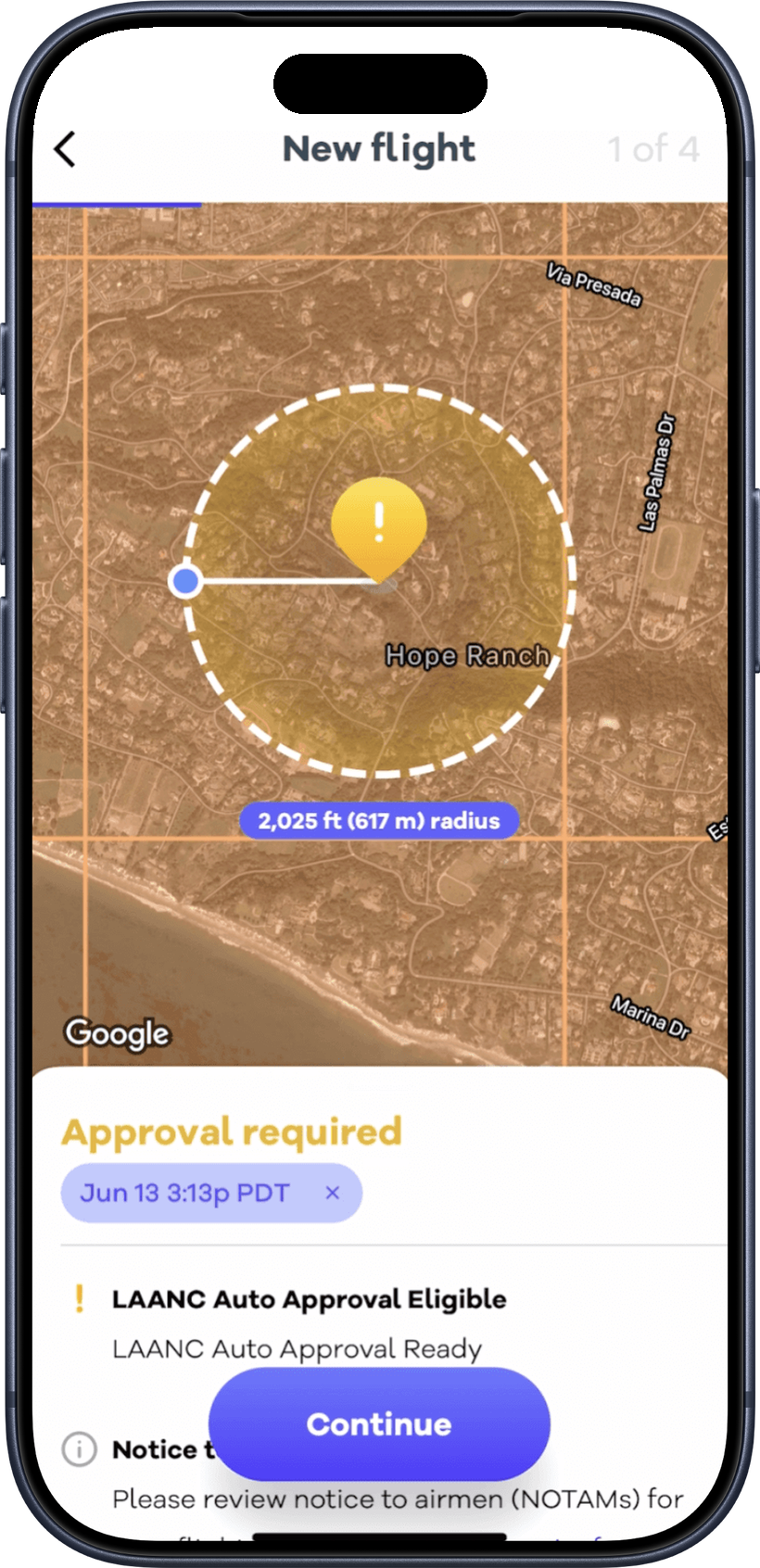
OpenSky new flight
My role

I owned the whole
order-to-doorstep arc.

Across PM, mobile engineering, flight operations, hardware, and regulatory, I led three things end to end.

iOS + Android
Order-to-handoff flow
Live view
Drone intent, shared with the FAA
Every abort
Failure-state language
OpenSky live airspace and drone-intent view
Pillar 2 · Transparency & control

Show just enough
to stay calm.

Hide the drone and people panic. Show too much and they are confused. We surfaced position, altitude band, and descent, and tuned every transition for calm and predictable. The live view became the most-used screen in the product.

Pillar 2 · The trust ceiling

Too little and they panic.
Too much and they're lost.

There is a narrow band of "just enough," and we found it by watching people, not guessing. We showed position, altitude band, and descent, and nothing that read as surveillance. Confidence is a dial you tune, not a number you dump on someone.

Pillar 2 · Design the failure path first

Design the abort
before the happy path.

People read any abort as "the drone is broken and might be over my house." We rewrote every failure in the customer's frame, with a refund in the same screen.

Sentiment moved from "I'm nervous" to "OK, that makes sense" in one round. The exact muscle AI needs for hallucination and error states.

Pillar 2 · Recovery language

Say it in the
customer's frame.

Early aborts were technical and cold, so every one read as "the drone is broken and might be over my house." We rewrote each as plain, reassuring, and actionable:

"Your order is delayed because of wind. We'll reorder for you."

With a refund or rebook in the same screen.

Pillar 3 · High-velocity collaboration

Whiteboard weeks make
the doorstep effortless.

A Double Diamond: wide discovery to find the right problem, then a focused build with PM, mobile eng, hardware, ops, and regulatory. The system packs the zone into altitude-coded lanes; the operator sets only start and end.

OpenSky altitude-coded, lane-by-lane flight plan
Systems thinking

Altitude becomes a lane.

Behind a map anyone can read, OpenSky packs the zone into parallel lanes and stacks them by altitude, lowest to highest, so the drone climbs and descends along a safe, predictable score. The operator sets only the start and the end; the system choreographs every turn and every meter between.

The constraints I designed against

Four forces, one calm screen.

Regulatory

The FAA had to read what the customer saw. No UI could anthropomorphize the drone. "Your drone" was fine; "she's on her way" was not.

Hardware

The aircraft couldn't hover indefinitely or wait out wind, so "give us a few minutes" was never an option.

Mental model

People expected a courier. We had to teach a new metaphor without ever making it feel weird.

Trust ceiling

Hide the drone and people panic; show too much and they're confused. The whole design lives on that line.

The decision that made it land

Lean on the metaphor
people already had.

It fought the instinct to lead with "futuristic autonomous aircraft," but "your courier is nearby, at the door" needed no explanation.

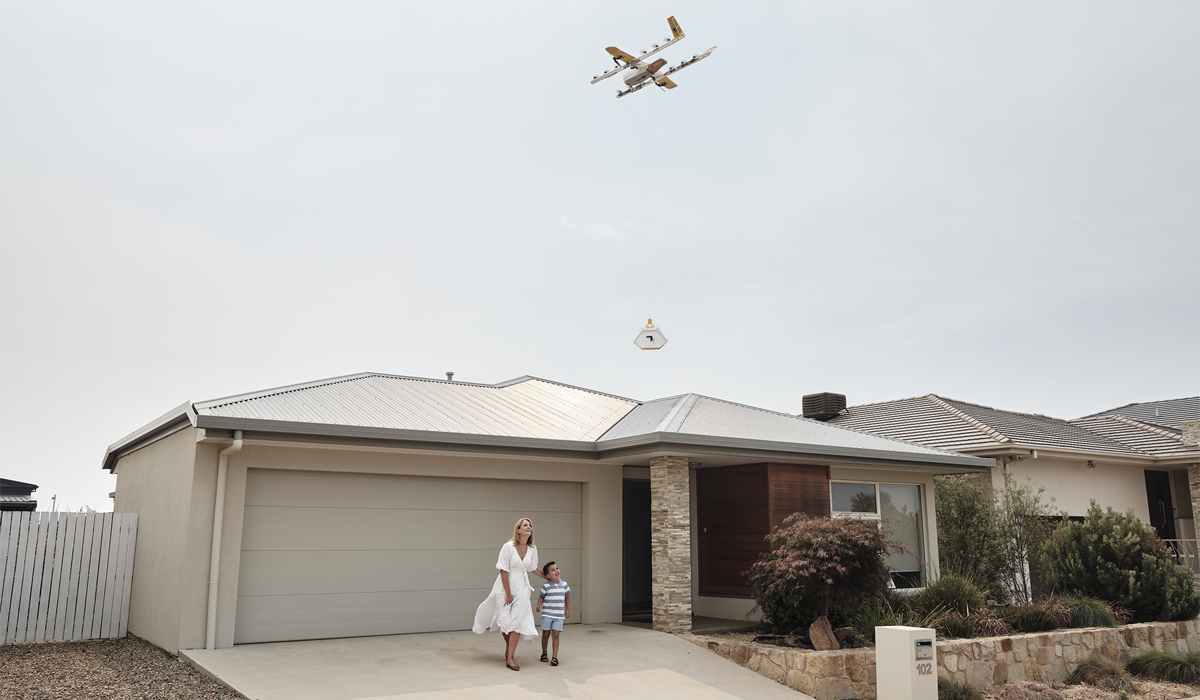
We kept the language pedestrian and saved the wow for the doorstep, where the drone descending on its tether did the heavy lifting.

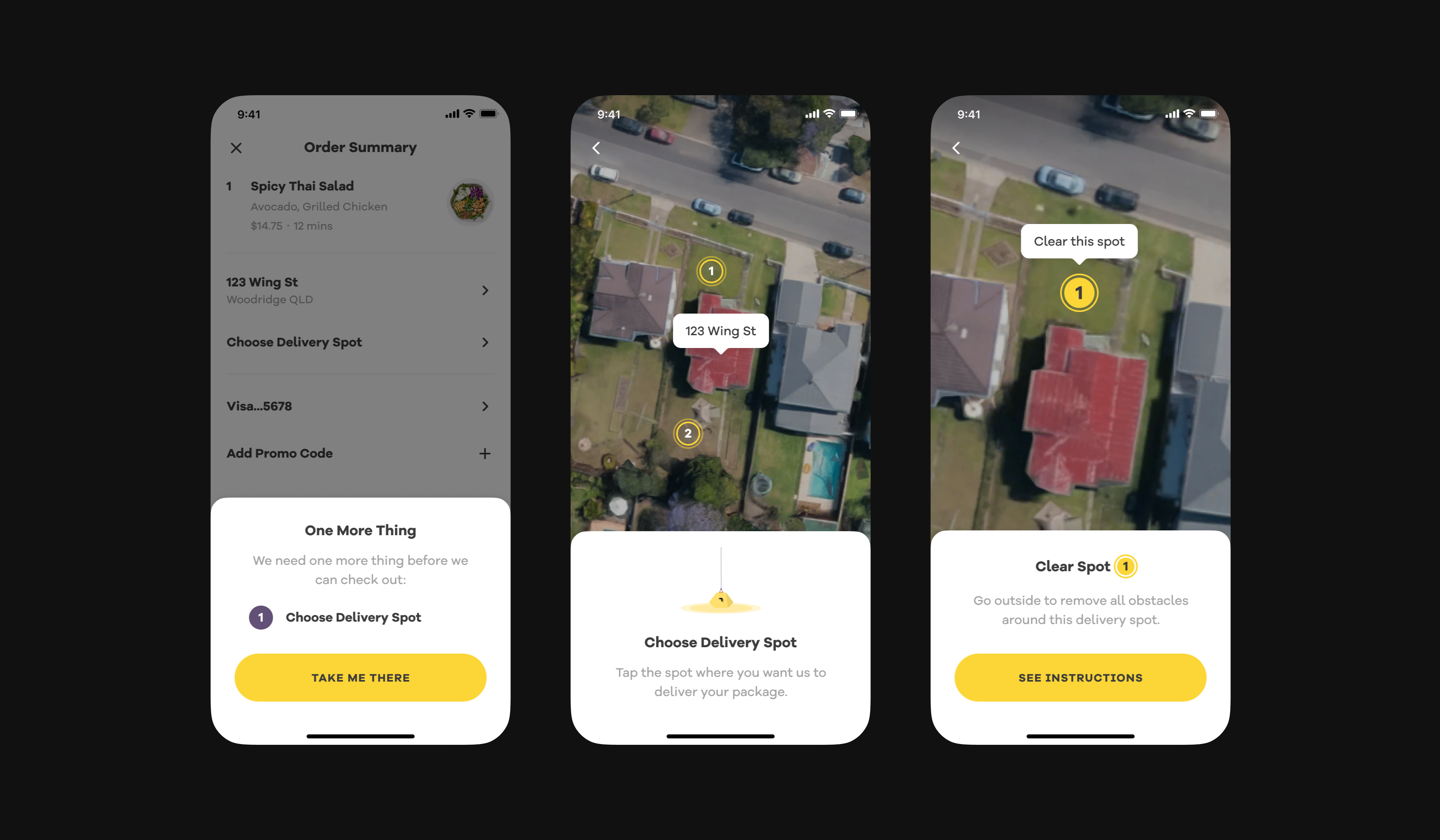
OpenSky app
Outcome

First FAA-approved drone
delivery in the U.S.

Live deployments serving real food and medications in real neighborhoods. The consumer-trust model became a reference for later Alphabet aerial-delivery work.

Federal Aviation Administration
4.8★
OpenSky · 782 App Store ratings
First
FAA-approved drone delivery, U.S.
0 tickets
Abort flows, within one design round
At scale · LinkedIn Premium

The profile was a brochure.

It described you, but it didn't let someone do business with you. The highest-intent moment, "I want to talk to this person," leaked into email tag and dropped threads. For hundreds of millions of professionals, that is a lot of lost momentum.

One pattern, three surfaces

Book a time, wherever
attention already is.

Profile

The home base

Book an appointment, right beneath the headline. The profile becomes a conversion surface.

Post

Inline

Booking surfaced where the attention already is, without leaving the feed.

Message

In the thread

A time offered without ever leaving the conversation. The "what time works?" thread, deleted.

At scale · LinkedIn Premium

Prototype before brief,
for 100M+ professionals.

As Design Lead on Premium Mobile, I shipped the LinkedIn × Calendly integration: one booking pattern across profile, post, and message that deletes the "what time works?" thread entirely.

100M+
Members reached
<24h
Concept to prototype
LinkedIn Premium · Motion

A profile that moves.

Premium members express a vibe with a dynamic cover-photo slideshow. I designed the motion and the editing flow so a profile feels alive, and still unmistakably calm, unmistakably LinkedIn.

Pillar 3 · How I move

I start with the screen,
not the doc.

A clickable, opinionated artifact in hours that a PM, partner, or exec can steer in the same meeting. The booking integration went concept to prototype in under a day. That rhythm is now how the broader Premium design org moves.

Motion & interaction

Prototyped in motion,
not in slides.

I design the feel of an interface in real prototyping tools, Origami, Principle, and Protopie, so a transition, a loading state, or a model thinking reads as calm and intentional long before any production code.

Motion is how a probabilistic system shows it heard you.

"Every profile is a front door."
A design principle, LinkedIn Premium
AI product · January AI

Trust in a number
the AI predicts.

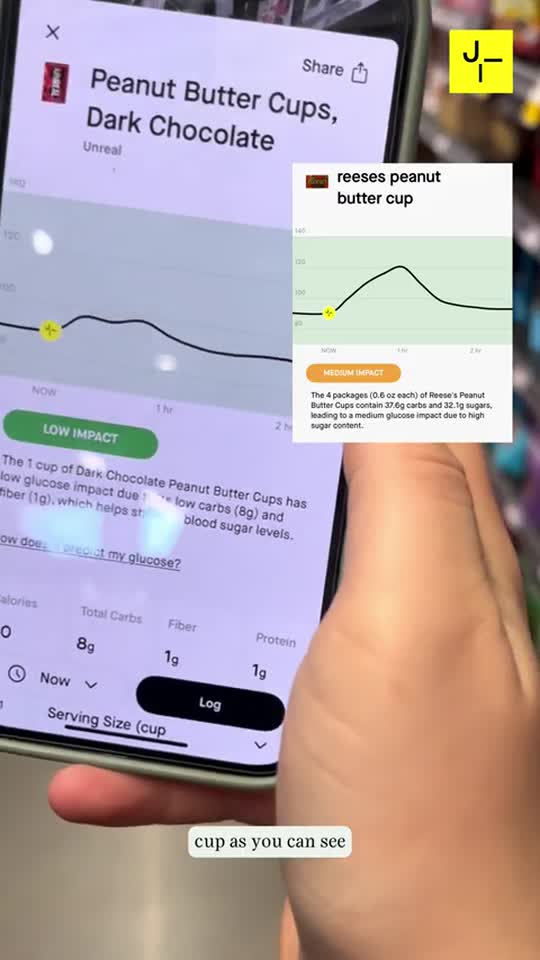
iOS for clinical-grade AI nutrition: see a food's glucose impact before you eat it. The whole design job was making a probabilistic prediction feel trustworthy and calm, with the confidence and the reasoning legible, never a black box.

AI product · Ditto

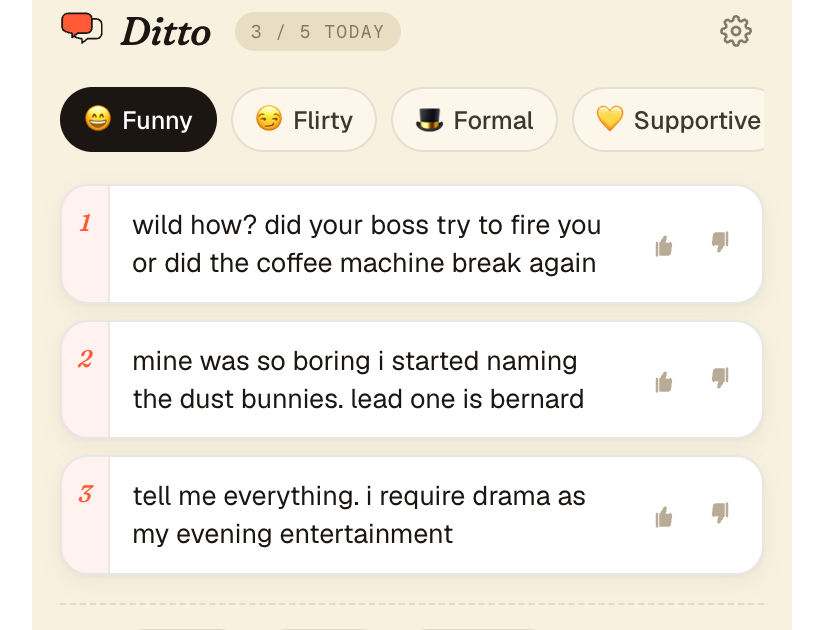
On-device AI,
right in the message.

An iMessage assistant that reads the conversation and writes back in your voice. Same challenge again: make a probabilistic suggestion feel effortless and in your control. Three options, edit if you want, send. No black box, no friction.

Conversational AI · LLM interfaces

Designing the feel of
talking to a model.

Ditto puts an on-device LLM inside iMessage: it reads the thread and replies in your voice. Three options, edit, send. January turns a model's prediction into a number you trust before you eat. It is the exact craft a Gemini assistant needs, making a conversation with a probabilistic model feel effortless, legible, and yours.

Breadth

Two decades of shipped work.

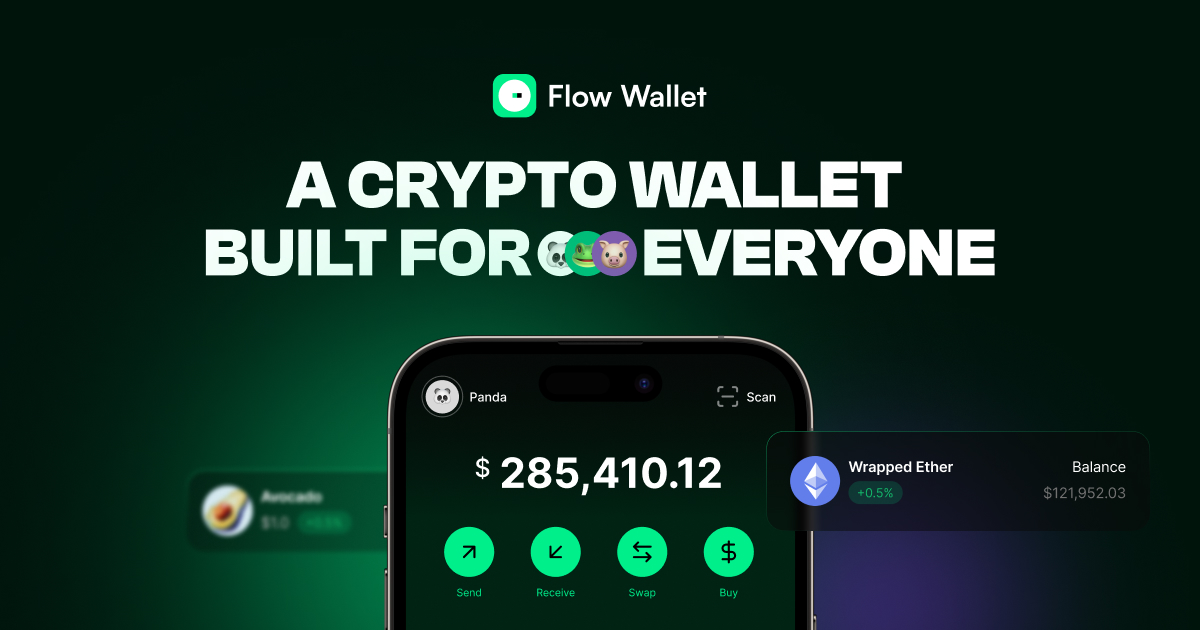
Founding-era social, autonomous systems, AI health, self-custody finance, wearable couture. The throughline is craft, trust, and making complex things feel simple.
January AI
January AI · Health
Flow Wallet
Flow Wallet · Self-custody
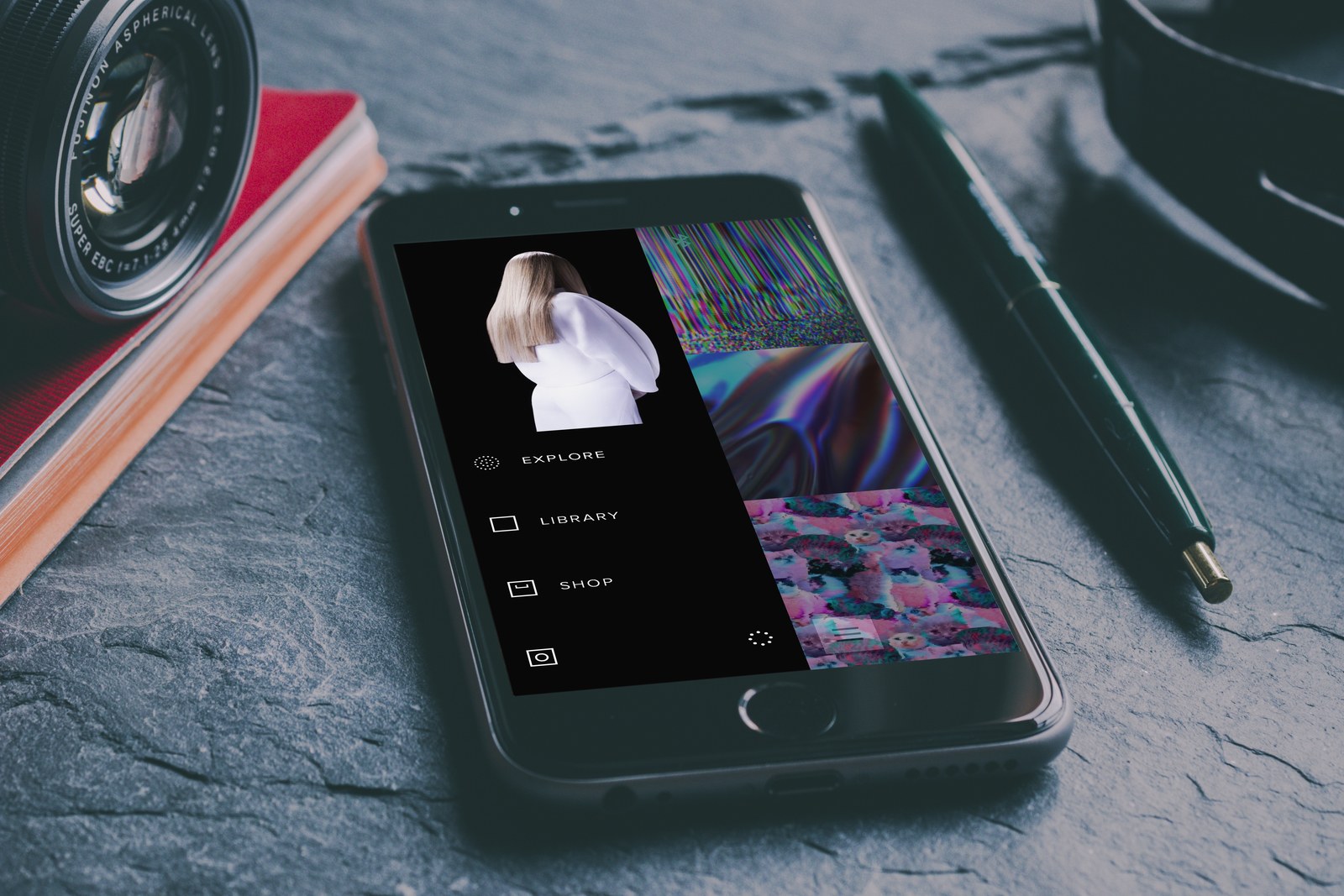
Studio XO
Studio XO · Wearable couture
Folio
Folio · Creator platform
Cortex
Cortex · Acquired 2012
Ditto
Ditto · On-device AI
Why this maps to Gemini

Autonomous trust is AI trust.

Show just enough to stay calm
Confidence & uncertainty. Surface the right amount of certainty in Gemini's answers, so people stay calm and in control.
Design the abort first
Hallucination & error states. Recover in the user's frame, so a wrong answer never breaks trust.
Altitude becomes a lane
Systems thinking. One coherent model across Gemini's surfaces and modalities, optimized for AI's probabilistic nature.
Prototype to think
Rapid prototyping. Simulating model responses in Origami, Principle, and Protopie to make probabilistic features feel intentional.
What I'd bring to Gemini App Design

Clarity, trust, velocity.

Clarity

Drive the why

I get to the why behind model behavior and turn unknown-unknowns into a model people can hold.

Trust

Design the feeling

Transparency, control, and graceful recovery, so people stay calm and in control of a probabilistic system.

Velocity

Prototype to decide

Clickable artifacts in hours and tight loops with engineering. Ideas tested and refined fast.

Testimonials

What people say.

Silicon Valley leaders, on what it's like to work with me.

"An active, engaged and passionate AI-centric designer."
Sarah Alpern
VP of LinkedIn, Head of Design
"Epitomizes what it means to be an AI-native, forward-thinking designer."
Matt Geller
Chief of Staff, LinkedIn
"One of the most productive and passionate designers I have had the chance to work with."
Rose Yao
VP of Product, Google
"A rare combination of design talent, product sense, AI fluency and collaborative energy."
Neha Jain
Engineering Leader, LinkedIn
"One of the strongest visionary design partners in our organization."
Matthew Grieco
Sr. Product Design Manager, LinkedIn
"Came to the team prepared with ideas to improve the user experience."
Jen Devins
UX Director, Google
Thank you

Let's design AI
people trust.

officialjp.com